
NPO Champion For Children Award
As a result of National Parents Organization's work and that of many other dedicated shared parenting advocates, the landscape of child custody law in the United States is undergoing a vital transition toward rebuttable presumptions of equal shared parenting. To honor the leaders driving this change, NPO created the Champion for Children Award.
This award is specifically designed to honor legislators, judicial and other family law professionals, and selected citizen advocates who champion legal defaults protecting a child's right to maintain meaningful relationships with both parents after separation.
NPO is proud to announce the winners of the Champion for Children Award. These committed advocates are improving the lives of countless children and we honor their dedication.
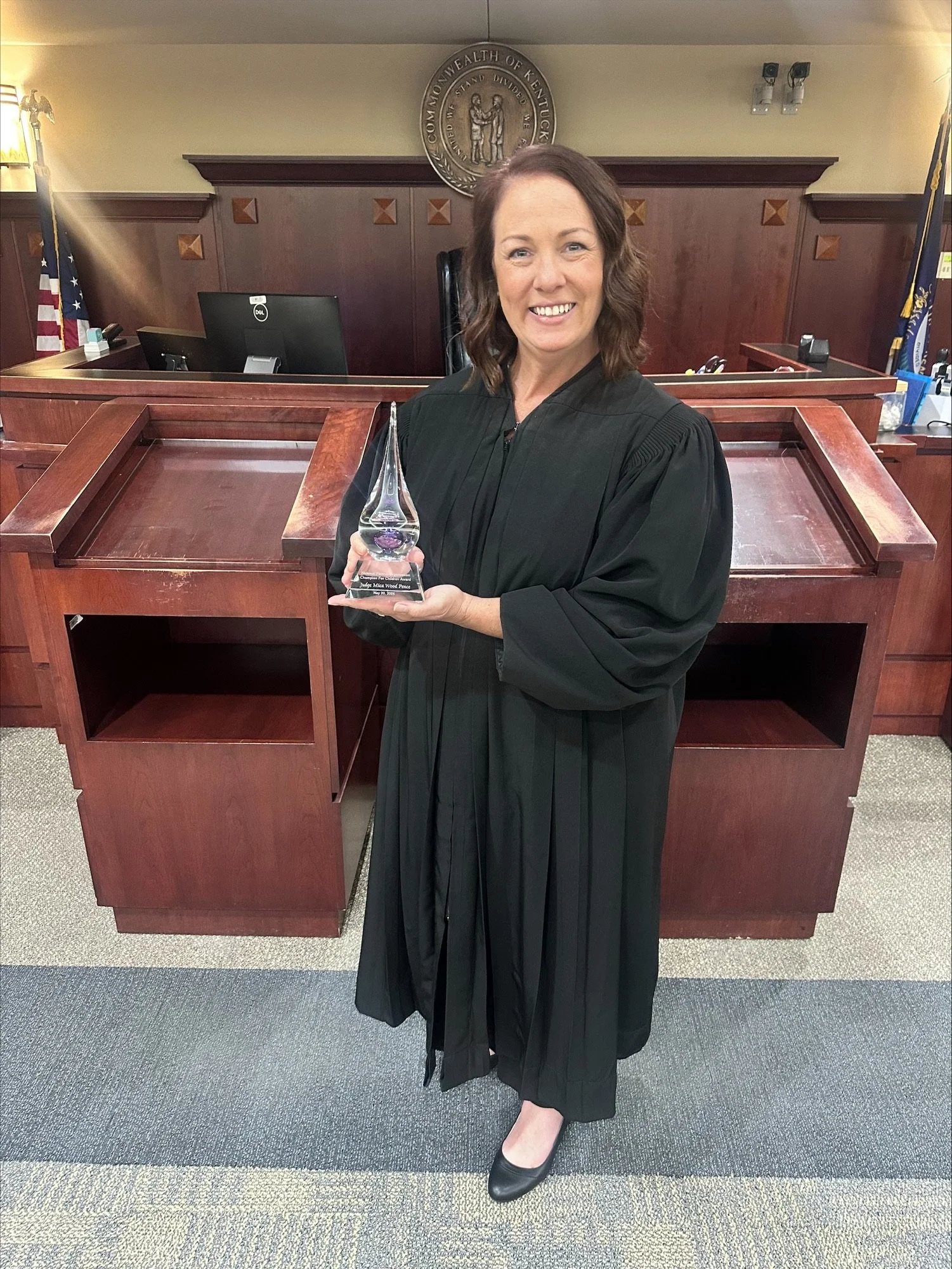
Judge Mica Wood Pence
Presiding over Family Court in Kentucky’s 43rd Judicial Circuit, Judge Pence is tasked with executing Kentucky’s House Bill 528, the nation’s first rebuttable shared parenting presumption for permanent custody orders.
When the law was initially introduced, many legal professionals feared that a 50-50 default would increase courtroom contention, a worry Judge Pence admits she once shared. However, her daily experience on the bench has proven those fears unfounded. She has demonstrated that establishing an equal baseline actively reduces litigation and conflict by removing the incentive for parents to fight for "primary" status.
A fierce defender of the law, Judge Pence frequently explains how the statute protects vulnerable families by automatically lifting the presumption if an active domestic violence order is in place. Furthermore, she has gone above and beyond her judicial duties to advocate for these benefits across state lines, traveling to Pennsylvania to share her invaluable insights and real-world evidence at Rep. Flick’s "Kids Need Both" hearing.
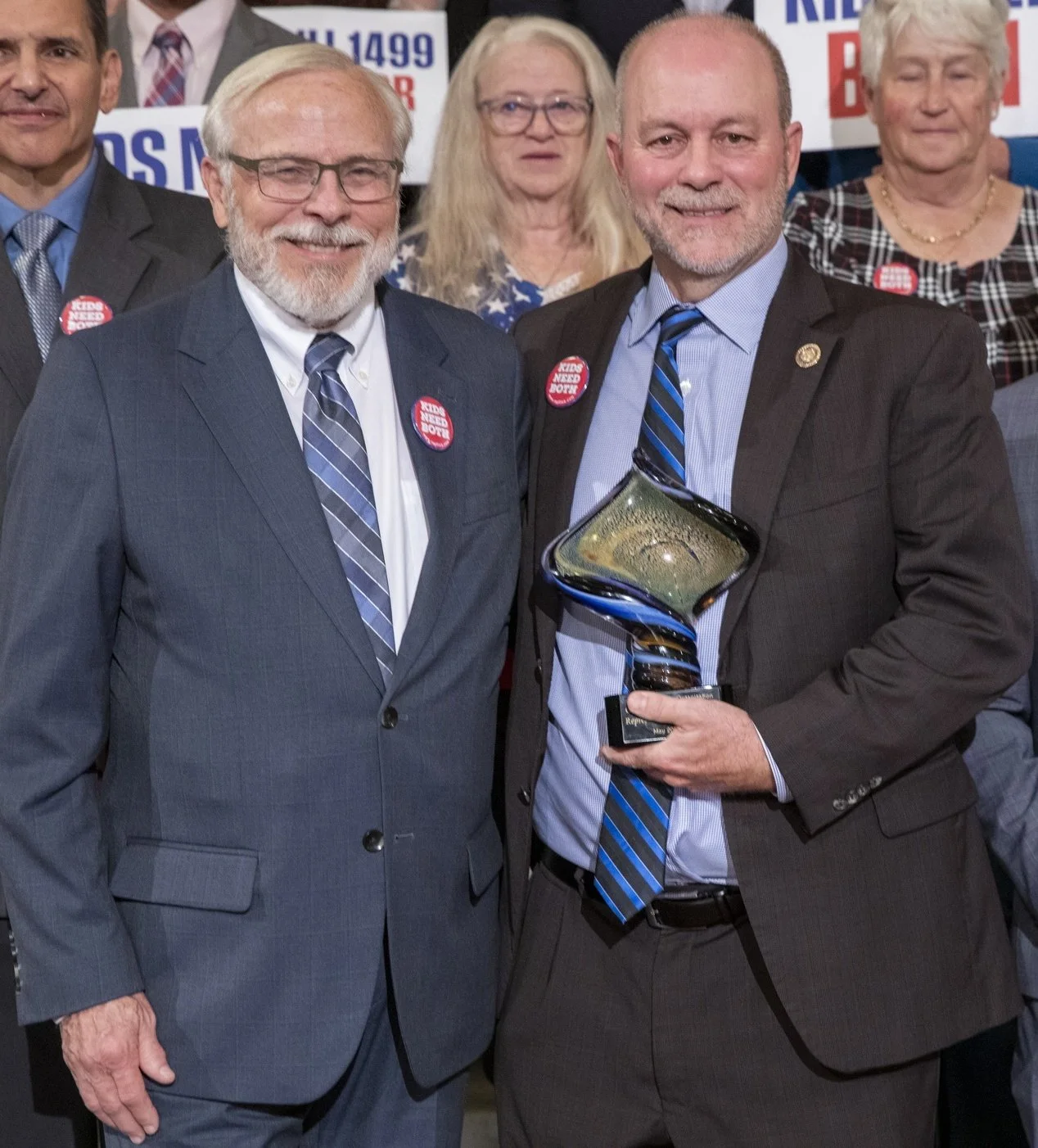
Representative Jamie Flick
Representative Jamie Flick has been a relentless legislative advocate for custody reform in the Pennsylvania House of Representatives. Motivated by a grueling personal custody battle in which he was awarded only every-other-weekend custody without a written explanation, Rep. Flick channeled his hardship into a drive for systemic reform.
In his fight for shared parenting, he frequently highlights stark statistics: nationwide, mothers are awarded primary custody in approximately 80% of active cases, and in Pennsylvania, fathers receive an average of only 28.2% of parenting time. To combat the societal impacts of these uneven arrangements—which correlate with higher risks of youth suicide, substance abuse, and school dropouts—Rep. Flick introduced House Bill 1499. This flagship legislation establishes a rebuttable presumption of equal shared parenting time when both parents are fit and willing.
He has also successfully passed House Bill 378 (Act 11 of 2025), which streamlines custody factors and requires courts to provide written explanations to parents, providing massive assistance to self-represented individuals. To build bipartisan momentum for these common-sense reforms, he organized the landmark "Kids Need Both" policy hearing and press conference in Harrisburg in November 2025.
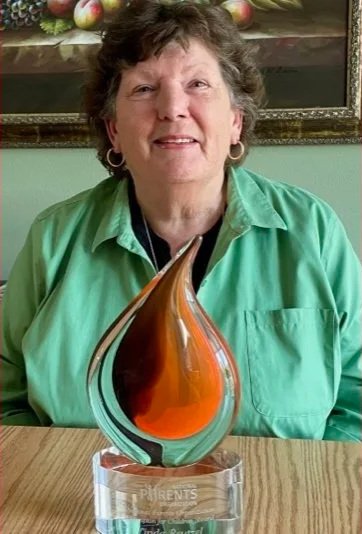
Linda Reutzel
Linda is a mother and grandmother from Cape Girardeau, Missouri, who became aware of the harmful effects of Missouri’s custody laws and family court practices when her son, Griffan, divorced and was sidelined in his daughter Averie’s life. This was a tragedy, first and foremost, for Averie and her father, Griffan, but also for Linda, who had cared for Averie when her parents were working, and for Linda’s husband, Gene.
Seeing how family courts in Missouri were hurting families, especially children, Linda made it her mission to improve the situation. She probably didn’t anticipate that this would be a nine-year, often frustrating quest. But through those nine years, Linda continued to educate Missouri legislators about the benefits of shared parenting and the need for legislative reform.
Linda’s tenacity was rewarded in 2023 when Governor Parson signed Senate Bill 35, which established “a rebuttable presumption that an award of equal or approximately equal parenting time to each parent is in the best interest of the child,” making Missouri the fifth state with such an explicit equal parenting presumption.